

Breeze flips the dating app model. Instead of paying monthly subscriptions whether you use it or not, you pay per date. $10-20 each time you actually meet someone. That sounds appealing if you’re tired of swiping. But it also changes what “cost” means. Instead of paying with hours, you pay with money for each attempt.
This Breeze review answers one question: is that trade actually better than swiping, or does it just move the pain somewhere else?
Quick Verdict: Paying Per Date Can Save You Time, Not Your Chemistry
Breeze is worth it if your main problem is app-time and endless “maybe” conversations. It’s not worth it if you need lots of options, lots of context, or you’re dating in a thin local pool. The pay-per-date model can speed things up. It still doesn’t buy compatibility.
Best for:
- You hate texting with strangers and want a real plan fast (one weeknight, one slot, done)
- You’re in a decently populated city and can meet within a reasonable radius
- You’d rather make fewer attempts with higher commitment than keep browsing endlessly
Not for:
- You want to screen heavily through conversation before meeting
- You’re in a smaller area where match volume is already the bottleneck
- You want “free” optionality and don’t want to pay per try
Why this matters: Breeze changes what you spend to get dates
Most dating apps charge you in time first. You swipe, you chat, you repeat. Breeze flips that. You spend less time inside the app, but you spend money when you confirm a date.
And that cost repeats.
If your usual pattern is “I spend 30 minutes a day swiping and still don’t meet anyone,” Breeze can feel like relief. If your pattern is “I need a lot of context before I meet,” it can feel like forced pace.
The trade isn’t subtle. It’s about where friction shows up.
What Breeze is actually good at
Breeze does one thing well: it turns a match into a scheduled meetup with minimal back-and-forth. Chat is intentionally limited, and date logistics are the product.
After a match, you confirm the date with a token or deposit. Pricing varies by market, but it’s commonly around $10–$20 per scheduled date. That payment isn’t for better matches. It’s for commitment and momentum.
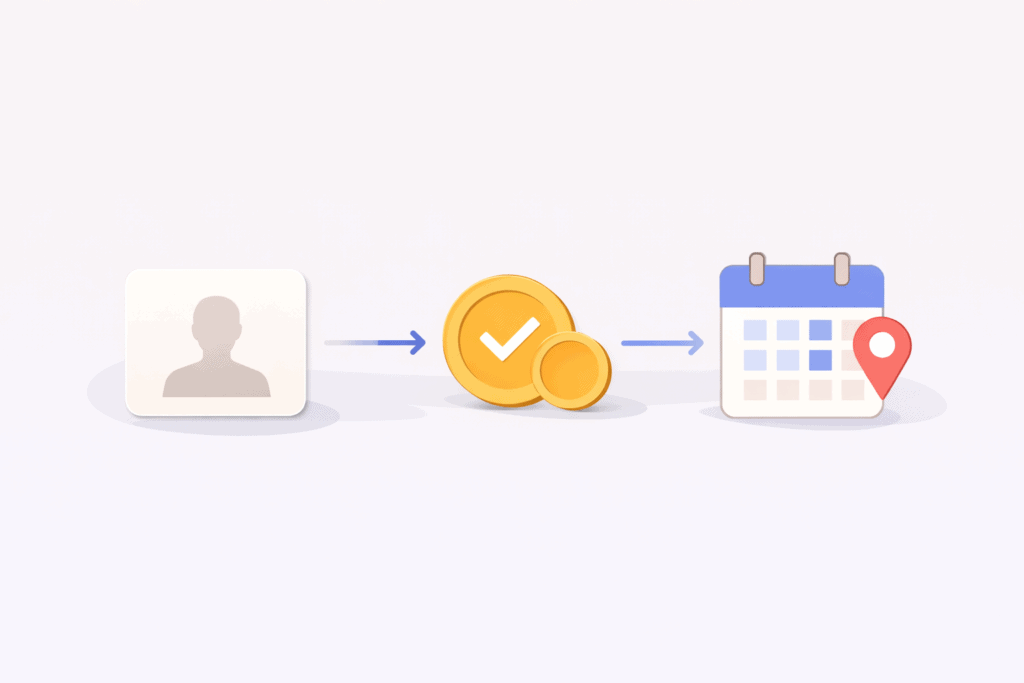
That single mechanic cuts out a common failure mode of swipe apps: conversations that drag on and never turn into meeting. You either pick a time and show up, or you don’t. For many people, that clarity is the appeal.
It also filters out some low-intent behavior without you having to guess intent from messages. Someone unwilling to commit time and a token often drops out early. Not always. But often enough to matter.
Where Breeze fails (and it’s not a small thing)
The model adds friction the moment you want optionality. If you’re the kind of dater who needs conversation before meeting, Breeze can feel restrictive. Minimal chat means you may walk into a date with less context than you’d prefer. And that makes bad fits feel more expensive.
Cancellation and refunds can also feel strict. If you cancel after a date is scheduled, you may lose your token. If the other person cancels, you usually get it back. Repeated no-shows or late cancellations can also trigger a temporary account freeze (often around seven days), which makes the model unforgiving if your schedule is unstable.
Policies vary by market and updates, but the core point holds: once you’ve scheduled, backing out can cost you.
Then there’s local density. In a busy city, pay-per-date can feel like speed. In a smaller pool, it can feel like paying to discover the same bottleneck you’d hit on any app , just faster and more sharply.
How Breeze fits different dating intents
Casual dating:
- Great if you want low-drama momentum and you’re fine meeting without much pre-talk
- Rough if your version of casual still needs conversation and vibe checks first
Relationship-minded dating:
- Works when you’re intentional, consistent, and can meet often enough that the model doesn’t stall
- Falls apart when you need deep screening before meeting or don’t have the schedule slack to keep trying
Niche (busy schedule / low app-time):
- Works when you’re tired of the app loop and would rather trade money for fewer, bounded attempts — like “Tuesday after work, one drink, then I’m done”
- Fails when rescheduling or cancellation becomes common, which is where this model can punish you
Is Breeze worth paying for?
If you measure dating in hours, Breeze can be “worth it” as a time trade. Paying roughly $15 per confirmed date (sometimes more or less depending on market) can feel cheaper than weeks of attention spent inside swipe apps that never lead to meetings.
That’s the real upside: efficiency.

You match with someone, chat for a few days, suggest meeting. They agree. You both pay $15. You meet for coffee. If there’s no chemistry, you just paid $15 for a 30-minute coffee. Do that 10 times and you’ve spent $150 with no relationship. If you’re already stretched thin, pay-per-date can feel like pressure you didn’t ask for.
And paying does not guarantee a good date. You can still meet someone and feel nothing. You can still hit mismatched expectations. The payment changes logistics and commitment, not chemistry.
If you’re thinking, “I’ll pay and the matches will be better,” don’t. That’s not what you’re buying.
Breeze vs the alternatives (why you’d pick something else)
Hinge:
- Choose Hinge if you want more context before meeting and you’re willing to spend time messaging to reduce bad first dates
- Better when you like pre-screening and can tolerate the app-time tax
Tinder:
- Choose Tinder if you want maximum optionality and can handle high volume and mixed intent
- It’s cheap per attempt in money terms, expensive in attention
Thursday (and other event-first apps):
- Choose an event-first model if you want dating to feel like a specific night or activity rather than a series of one-on-one scheduled meetups
- Different structure, different trade-offs, and it depends a lot on your city
If you want the fast “which app fits your intent” view, see Dating App Comparisons: Which Apps Fit Your Intent.
Common myths people bring into Breeze
“Paying per date means higher-quality matches.”
It mostly changes follow-through. People who won’t commit drop out earlier. But the person you meet can still be a bad fit. You just find out faster.
“No chat means no awkwardness.”
Less chat saves time, but it also means you’re walking into a date with fewer signals. If you usually need a bit of conversation to avoid obvious mismatch, Breeze can feel harsh
“This will stop flaking.”
It can reduce casual flaking, but it can’t eliminate it. People still cancel. Schedules still blow up. And if that happens repeatedly, Breeze can freeze accounts for about 7 days, which makes the model unforgiving.
If you want the bigger mechanics picture behind these trade-offs, read: How Dating Apps Work in 2026: Algorithms, Visibility & Safety Explained.
When to quit or switch (clear exit conditions)
If any of these are true after a fair try, continuing is probably a bad bet:
- You keep paying (or nearly paying) and dates fall apart due to scheduling or cancellations
- Your local pool feels thin and isn’t justifying the model
- You consistently feel under-informed before dates and it’s creating avoidable bad experiences
- You realize you don’t want fewer, paid attempts and actually prefer browsing and screening first
At that point, switch to a swipe-first app for optionality or an event-first app for structured social context. Don’t keep forcing a model that doesn’t fit how you date.
Final takeaway
Breeze is a real alternative to swiping if your goal is fewer, faster attempts with higher commitment. It can save time and cut the chat loop. It can’t buy compatibility, and it can feel unforgiving if your schedule or city pool isn’t strong.
Best Fit: If you can reliably meet and hate app-time, Breeze makes sense.If you need heavy screening or you’re in a thin market, skip it.