If you’re searching “is Zoosk worth it” in 2026, you’re trying to figure out whether it’s worth your time. Does it still work? Are the people on it actually active? Or are you about to spend three months messaging profiles that haven’t logged in since 2021?
Zoosk is a 10+ million-member dating platform with a behavioral matchmaking algorithm that learns what you like and pricing that undercuts most competitors.
I looked at how Zoosk works today, how the subscription structure is set up, and how active profiles behave to see what you’re actually getting when you try to use it.
How this Zoosk review works: I look at what actually happens when you use Zoosk today. How SmartPick and Carousel behave, what paying unlocks, and whether the behavioral matching system works. For more on our process, see: Read the full methodology here.
Table of Contents
Is Zoosk Worth Your Time? Quick Verdict
Zoosk is a mid-range dating app with cheap pricing and a massive registered user base, but the gap between “registered” and “actually using the app” feels wider here than on newer swipe-first platforms like Hinge or Bumble.
The algorithm sounds impressive on paper.
In practice, it needs weeks of consistent use before it starts showing you people you’d actually want to talk to, and by then you’ve already waded through a lot of dead profiles.
If you’re in a large metro, over 30, and patient enough to let the matching improve, Zoosk can produce real conversations.
If you want fast results, Hinge or Bumble will get you there with less waiting.
The Real Cost of Zoosk Isn’t the Subscription
The real cost of Zoosk isn’t the $12 to $30 a month. It’s the time. The algorithm only improves if you keep using it: liking profiles, skipping others, sending messages. That means your first two weeks are basically training the app. On Tinder, you see results on day one for better or worse. On Zoosk, you’re investing time upfront before the matching starts pulling its weight.
If you bail after a week because nothing’s clicking, you left before the thing you’re paying for even kicked in. That’s a different kind of gamble than paying for Match.com and seeing what the search filters turn up immediately.
There’s also a company-level question worth knowing about: Spark Networks, Zoosk’s parent company, filed for insolvency in Germany in January 2026. The app is still running and accounts are active, but a parent company in financial trouble increases uncertainty about how much investment goes into the product going forward. That’s worth factoring into whether you commit to a 6 or 12 month plan right now.
What Zoosk Actually Does Well
The SmartPick system is the one thing Zoosk has that most competitors don’t. Instead of filling out a long personality quiz like eHarmony demands, Zoosk watches what you do: who you click on, who you skip, how long you look at a profile. It feeds that into its suggested matches, which get noticeably better after a couple of weeks of active use.
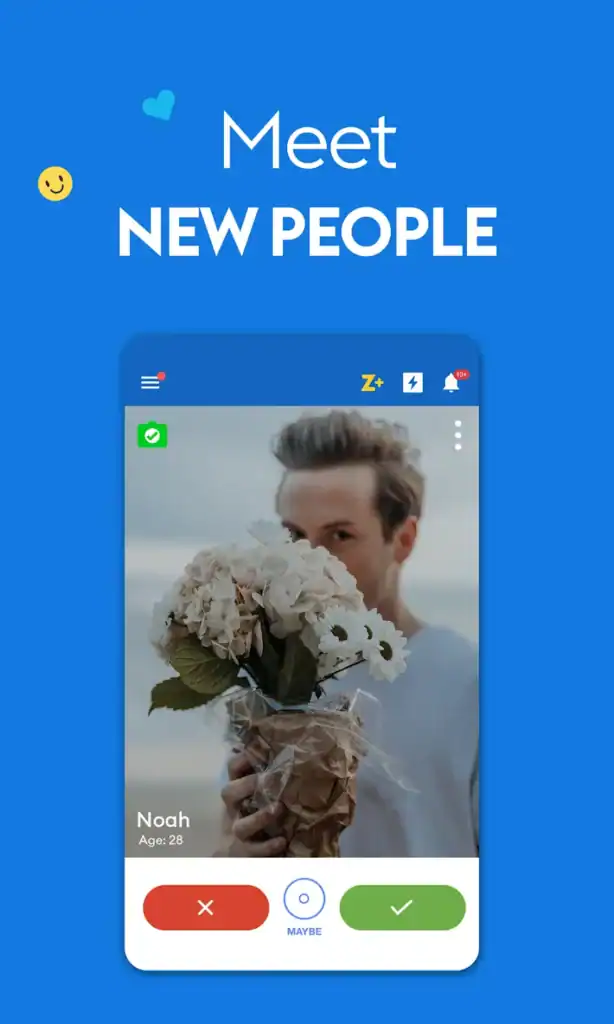
The Carousel feature is basically fast swiping.
You see a photo and age, say yes or no, and those choices also feed the algorithm.
After enough activity, SmartPick starts surfacing people that actually match patterns in your behavior rather than just what you typed into your preferences. That’s a real difference from platforms where the algorithm just sorts by whatever filters you set.
During my test, SmartPick suggestions in the first few days were mostly random. By week two, the suggestions were closer to people I’d actually been clicking on.
Zoosk is also one of the cheaper paid dating apps out there.
- A 6-month plan runs around $12 to $13 a month.
- The monthly rate is about $30 (pricing varies by country and platform).
That undercuts eHarmony and Match significantly.
For what you get at the 6-month rate, the price-to-access ratio is reasonable, assuming you’re in a city where the user base is active enough to matter.
Where Zoosk Comes Up Short
The biggest problem is ghost profiles. A huge chunk of those 10+ million registered accounts belong to people who signed up years ago, never deleted their account, and haven’t logged in since. There is no way to filter for recently active users.
During my test, I messaged 30 profiles over two weeks. About a third had no “Online Now” or “Recently Online” dot, no profile updates, and zero response after days. Zoosk does show green and blue activity indicators on profiles, but its search filters only cover age, distance, and a few advanced attributes.
There’s no way to filter results to only show active users, and filters don’t affect SmartPick or Carousel suggestions either, so you still end up wasting time on dead accounts. On Bumble, inactive profiles drop out of circulation automatically. On Hinge, the app surfaces people based on recent activity. Zoosk doesn’t do either of those things, and it’s the single most frustrating part of using it.
Other things that wear on you:
- Messaging requires a subscription. Zoosk says you need to pay for a subscription to start having conversations.
- Premium Messaging is a separate add-on that lets non-subscribers reply to your messages. Without it, a lot of the “likes” you get from free accounts can’t turn into conversations because those users have no way to respond.
- The Carousel shows only a photo and age, no bio or prompts, so you’re making decisions on looks alone while the app calls it “matchmaking”
- Search filters are basic unless you pay, and even then they’re limited compared to what Match or OkCupid offer
What Changed on Zoosk in 2026
Two things happened in early 2026 that affect how you should think about this app.
Zoosk Coins are gone. Zoosk discontinued Coins at the end of January 2026 and converted unused balances into subscription benefits. Boosts, virtual gifts, and going invisible were all coin-powered features.
You can still buy optional subscription upgrades like Premium Messaging, Hide & Seek, and Instant Crush on top of a paid plan, but the coin-based a-la-carte system no longer exists. If you see Coins mentioned in older reviews or guides, that’s outdated.
Long-term subscription renewals changed. Zoosk announced that some long-term subscriptions (3, 6, or 12 month plans) may shift to monthly billing at renewal, meaning you’d be billed each month instead of one upfront payment. The per-month rate stays the same, but the billing interval changes. Worth knowing before you commit so it doesn’t catch you off guard.
Is Zoosk Worth It for Casual Dating, Serious Relationships, or Over 40?
Casual: Zoosk works for casual dating when the Carousel gives you enough people to browse through quickly and you don’t mind the slower ramp-up. The app doesn’t pressure you to define what you’re looking for. It fails when you’re competing for attention against Tinder and Bumble, where casual users already are and where you’ll find a much bigger active crowd under 35.
Serious relationships: Zoosk’s SmartPick matching is genuinely more useful for people who know what they want but can’t articulate it in a questionnaire. The system picks up on patterns you might not describe yourself. It works when you commit to using it consistently for at least a month.
Over 40: Zoosk has a noticeable presence in the 45–64 age range. You’ll see plenty of profiles in that bracket, which isn’t always the case on swipe-heavy apps dominated by users under 35.
Is Zoosk Premium Worth Paying For?
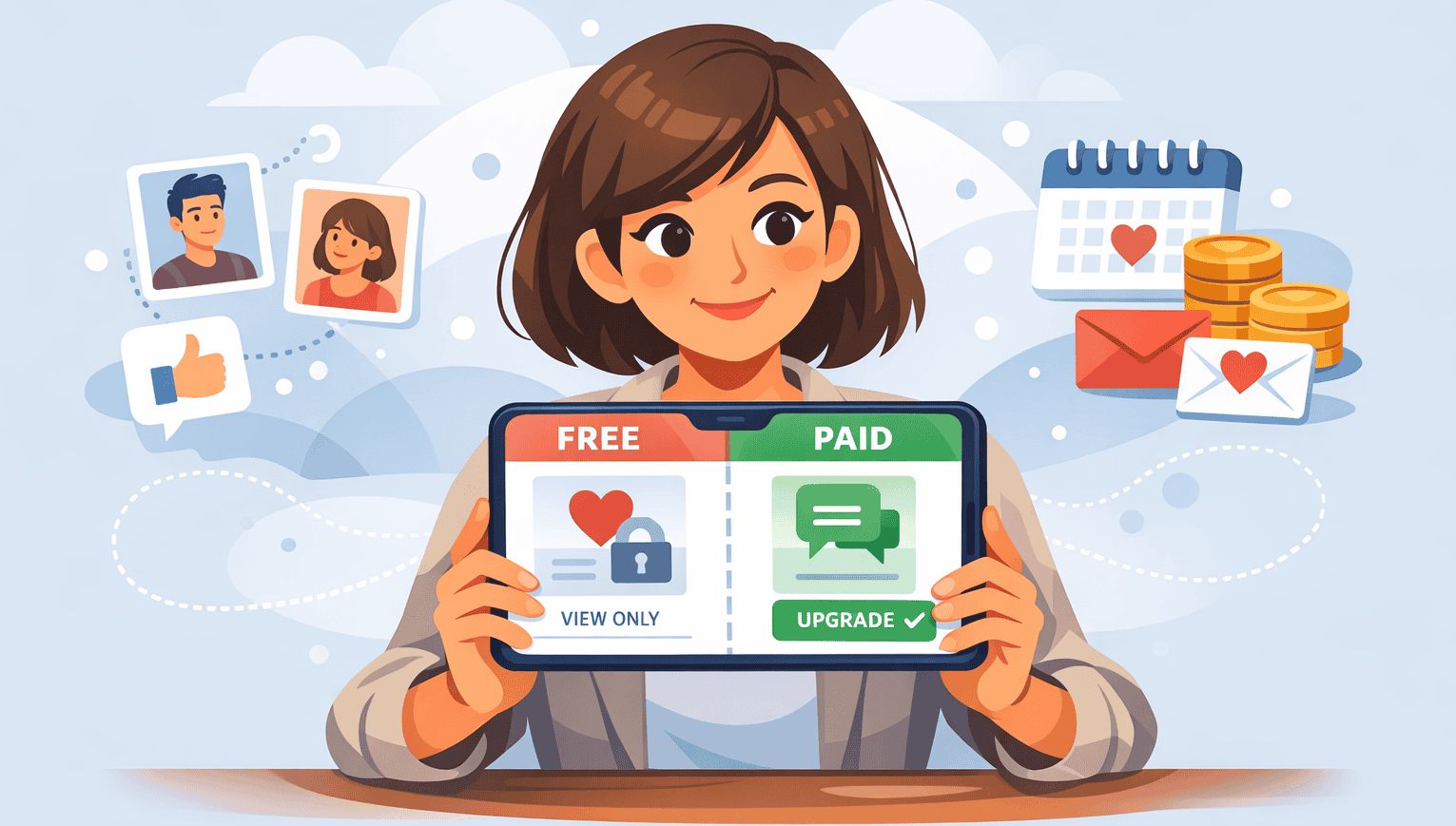
A Zoosk premium subscription ($30/month, or around $12 to $13/month on the 6-month plan) unlocks messaging, which you absolutely need since the app is essentially a read-only brochure without it. If your problem is cost and you’re looking for an affordable way into a large user base, Zoosk on a longer plan is one of the cheaper options in dating apps. If your problem is match quality, paying doesn’t fix the inactive profile issue or suddenly make the algorithm smarter. It just lets you send messages to people who may or may not be there.
The one add-on worth knowing about:
- Premium Messaging (~$10/mo): This lets non-subscribers reply to your messages. Zoosk claims it means up to seven times more people can respond. If you’re getting views and likes but conversations aren’t starting, this is the only upgrade that directly targets that problem.
The other add-ons:
- Hide & Seek (~$9/mo): Profile visibility controls. Three modes: hide (only visible to people you message), seek (fully visible), or sneak (visible but no view notifications).
- Instant Crush (~$10/mo): Your messages get highlighted and pushed to the top of inboxes, plus unlimited Carousel undos.
Stack all of them on top of a subscription and you’re looking at $40 to $60 a month, which puts Zoosk in eHarmony territory without the matching depth.
How Zoosk Compares to the Alternatives
Hinge: Better for getting actual dates if you’re under 45. Hinge’s prompt-based profiles give you something to respond to, and inactive accounts get pushed out of circulation. Smaller user base, but way more active.
Bumble: Women message first, which changes the dynamic completely. Bumble’s match expiration forces action, where Zoosk lets conversations sit forever. Choose Bumble if you want faster turnaround and don’t mind the 24-hour pressure.
Match.com: More expensive, but the search filters are deeper and the user base skews toward people willing to put effort into profiles. Choose Match if you want to actively search by specific criteria rather than waiting for an algorithm to figure you out.
Myths About Zoosk That Need Correcting
“The Zoosk algorithm matches you perfectly after a few days.” It doesn’t. The matching needs weeks of consistent use to become noticeably better than random. People who quit in the first week never see it work.
“The free version is enough to decide if Zoosk is worth it.” The free version lets you browse profiles and see who liked you, but you can’t message anyone. You’re making a buying decision based on window shopping. You won’t know if people on Zoosk respond to you until you’ve already paid.
“Coins are a cheaper alternative to subscribing.” Not anymore. Zoosk discontinued Coins at the end of January 2026. You can still buy subscription upgrades like Premium Messaging, but the coin-based system for boosts and gifts is gone.
When to Delete Zoosk and Try Something Else
If you’ve been on Zoosk for 6 weeks, actively using it multiple times a week, and you’re still mostly seeing inactive profiles or getting no replies, the app isn’t producing results for you. Switch to whichever app has the most active users in your city, which in most US markets is Hinge, Bumble, or Tinder.
With Spark Networks in insolvency proceedings and Coins already discontinued, the direction of the product over the next 6 to 12 months is uncertain. If the experience feels like it’s declining, trust that instinct.
The Bottom Line: Should You Pay for Zoosk in 2026?
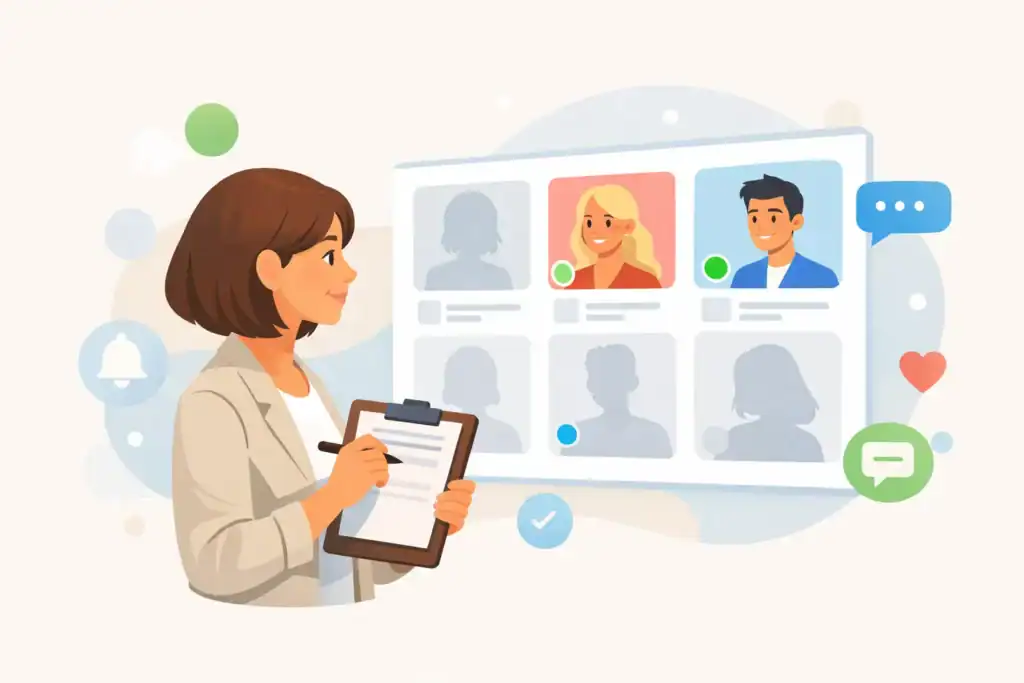
Zoosk review showing mix of active and ghost profiles with green and blue activity indicators
If you’ve browsed Zoosk on a free account and you’re seeing real, local profiles with recent activity, and you’re getting at least some views or likes, a one-month subscription is a reasonable test. The algorithm genuinely improves with use, and at $30 for a single month you’ll know within a few weeks whether the app has enough active people near you to be worth continuing.
Don’t start with a 6 or 12 month plan. The long-term discount is real, but locking in right now, with the parent company in insolvency and billing changes at renewal, is a gamble you don’t need to take upfront. Try a month. If conversations are happening, extend. If not, your answer is clear.