Why “Best” Doesn’t Mean “Best for You”
The dating app space in 2026 isn’t about finding the best app.
It’s about finding the right app for what you actually want.
Whether you’re casually browsing, trying to build something long-term, or dating within a very specific subculture or demographic, using the wrong platform wastes time fast. For a lot of people, that means weeks. Sometimes months.
This comparison isn’t about features. It’s about fit.
We’ll break down which apps tend to work best for casual dating, serious relationships, and niche audiences—so you can stop downloading and deleting apps that were never really meant for you in the first place.
Quick Verdict
Most apps are optimized for a type of user, not everyone.
In practice, this is where each one usually fits best in 2026:
Casual: Tinder, Feeld, Pure
Serious: Hinge, eHarmony, Coffee Meets Bagel ,Match
Affair: Victoria Milan
Niche: Kippo (gamers), Muzmatch (Muslims), HER (queer women), The League (ambitious professionals), Breeze ,
If your intent doesn’t line up with the app’s design, results tend to fall apart quickly.
Our 2026 best dating app list is live . Read more HERE.
Core Difference
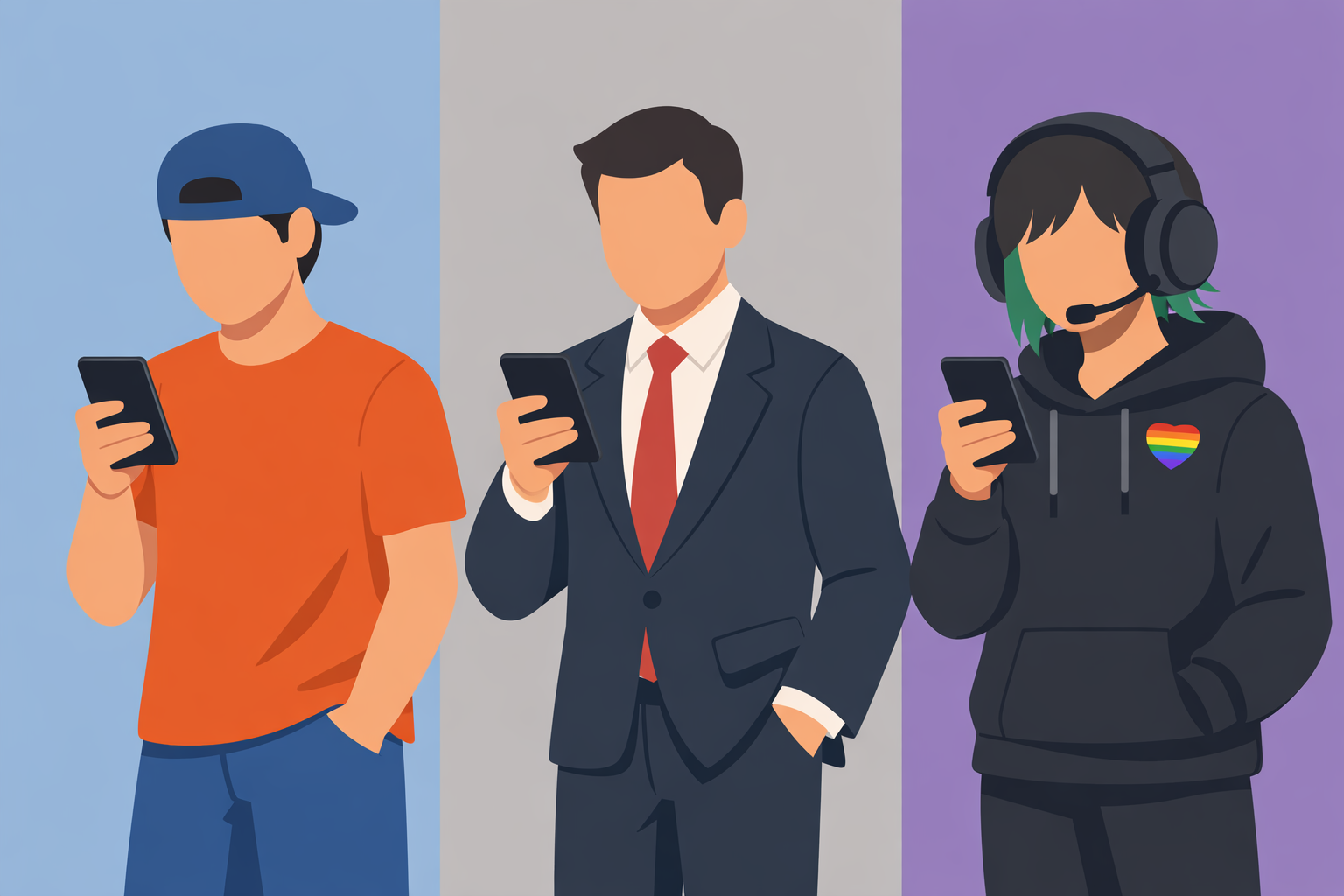
The real difference between these categories isn’t swiping or messaging.
It’s intent and how much friction the app adds.
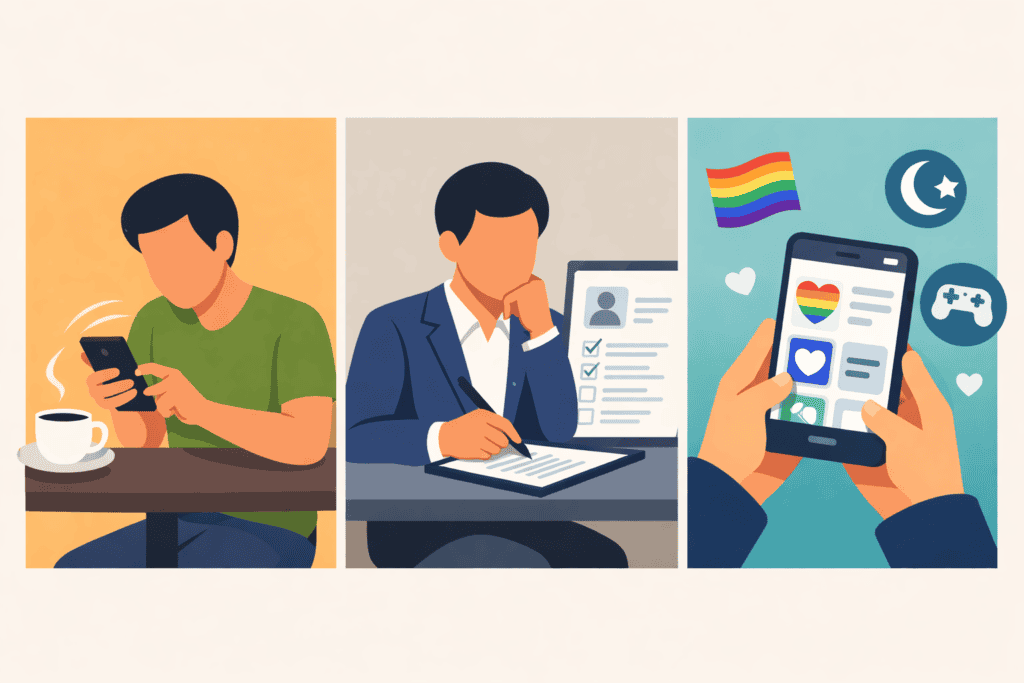
Casual apps generally reward speed and low effort.
Serious apps slow things down on purpose to filter for commitment.
Niche apps don’t assume either; they prioritize alignment over volume.
Same person.
Same photos.
Same effort.
Completely different experience depending on the app.
Match Quality & User Base
On casual apps like Tinder or Pure, match volume is high—but quality is inconsistent. Ghosting is common, conversations are short-lived, and expectations often don’t match. The signal-to-noise ratio is poor for anything beyond hookups.
Serious apps filter harder. On Hinge and eHarmony, the user base is smaller, but people are usually more willing to invest time. There are fewer matches overall, but more that actually turn into dates.
Niche apps typically have the lowest volume and the highest alignment. If you genuinely fit the niche, your chances of a meaningful connection are often better than on general-purpose platforms.
Visibility & Paywalls
Tinder and Feeld give new users fast visibility, then introduce paywalls quickly—especially if you’re not swiping constantly. Momentum drops fast in free mode.
Hinge offers decent visibility upfront, but once your daily like limit runs out, the push toward premium becomes hard to miss.
Niche apps vary. Kippo and HER are relatively fair in free mode. The League and Muzmatch lock core actions behind expensive tiers. eHarmony is the strictest of all—expect little to no real use without paying.
Visibility helps.
It doesn’t guarantee outcomes.
Effort vs Outcome
Casual apps don’t ask for much upfront, and the reliability reflects that. You can match quickly, but consistency is rare unless you’re constantly optimizing photos, bios, and message timing.
Serious apps demand more.
Prompts.
Profile questions.
Sometimes even personality tests.
It’s more work—but in practice, that effort tends to filter out low-intent users and surface better matches.
Niche apps vary more than any other category. When you genuinely belong, the process often feels easier from the start. If you’re on the edge of the target group, expect friction and lower response rates.
When One Clearly Wins
Some apps make more sense in very specific situations:
- Pressure-free experimentation: Feeld or Pure usually work best
- Starting something serious in a major city: Hinge is often the strongest option
- Cultural or identity-based dating: HER, Muzmatch, JSwipe, Kippo
- High-income or ambitious professionals: The League, if you pass vetting
Context matters more than brand reputation.
When Neither Is Right
Sometimes, no app works.
If you’re dating in a rural area, expecting deep compatibility from swipe apps, or putting in minimal effort, switching platforms won’t fix the problem. Even the best app won’t compensate for weak filtering or unclear intent.
And if you’re burned out—swiping out of habit, feeling detached, or dreading opening the app—that’s usually not an app issue. It’s a signal to pause or reset your approach entirely.
Final Recommendation
Choose based on intent, not hype—especially if you’ve already tried a few apps without results.
For speed and low-commitment exploration, Tinder or Feeld are usually the first stops.
If you want dates that can realistically go somewhere, Hinge or Coffee Meets Bagel are better bets.
If shared identity or values matter more than volume, a niche app can work—but only if you actually belong there.
No app is universally good.
But every app works better when it matches what you actually want.