Profile Verification: What Dating Apps Actually Do (and Don’t Do)
Most dating apps do not fully verify profiles.
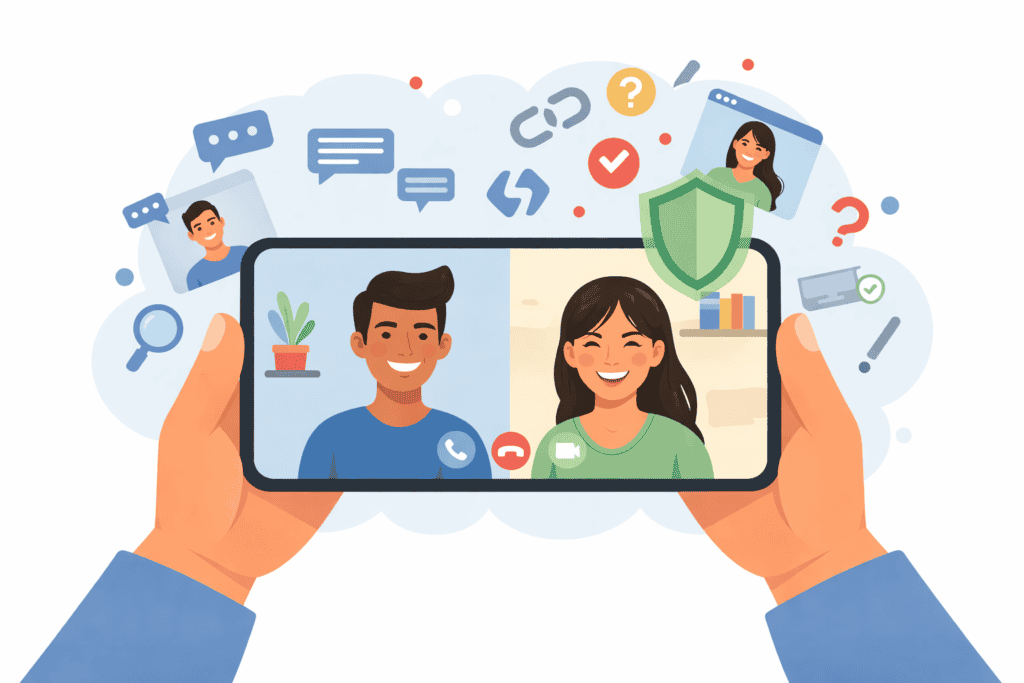
Verification usually confirms that a person matches their photos not that they are honest, safe, or real.
Profile verification helps reduce fake photos, but it does not prevent:
• Scammers
• Catfishing
• Fake intentions
• AI-generated conversations
What Verification Does NOT Mean
A verified badge does not mean:
• The person is trustworthy
• The profile is actively used
• The user has good intentions
• The account is not automated
Online platforms for meeting people have become essential tools for modern relationships. Millions turn to these services hoping to find genuine connections. However, this popularity has attracted individuals with dishonest intentions.
Fake accounts and romance scams present real dangers. In 2022 alone, Americans lost over $1 billion to these schemes. Recent research reveals that one in four people have encountered AI-powered chatbots pretending to be real individuals on these platforms.
Profile confirmation processes help address these concerns. These systems attempt to ensure that accounts represent actual people. The methods and effectiveness vary significantly across different services.
Understanding these safety measures empowers individuals to make informed choices. This knowledge helps people select platforms that prioritize user protection. It also provides insight into recognizing potential red flags during online interactions.
This article explores the various approaches services use to authenticate accounts. The information is presented in clear, accessible language without promoting specific companies. Readers will learn about both the benefits and limitations of current verification systems.
Key Takeaways
- Profile verification helps confirm that accounts belong to real people
- Romance scams caused over $1 billion in losses in 2022
- One in four people have encountered AI chatbots on dating platforms
- Verification methods vary significantly across different services
- Understanding verification processes helps users make safer choices
- These systems have both benefits and limitations for user protection
- Knowledge of verification empowers individuals to recognize potential risks
Understanding Profile Verification on Dating Apps
Profile verification acts as a foundational layer of security within online social environments designed for connection. This process helps bridge the gap between a digital account and a real human being.

Defining Profile Verification
At its core, this process involves a platform confirming that an account belongs to the person pictured. It checks that the photos and basic details are accurate. This confirmation is a crucial step in building a safer community.
It is important to understand what verification signifies. A confirmed identity does not mean a service has vetted someone’s character or background. It simply confirms they are a real person behind the profile.
User-Focused Perspectives on Verification
For individuals, seeing a verification badge offers immediate peace of mind. It reduces the anxiety of interacting with fake accounts or potential scammers. This increased trust leads to more confident and genuine interactions between users.
Services implement these systems to protect their members and their reputation. A safer environment improves the overall experience for everyone. It helps foster a space where people feel secure exploring new connections.
Verification is one important piece of the safety puzzle. It works alongside user reporting tools and community guidelines to create a more trustworthy dating landscape.
Common Verification Methods in Dating Apps
Authentication systems serve as critical safeguards in digital social spaces. These approaches help confirm that individuals are who they claim to be. Different platforms employ various techniques to achieve this goal.
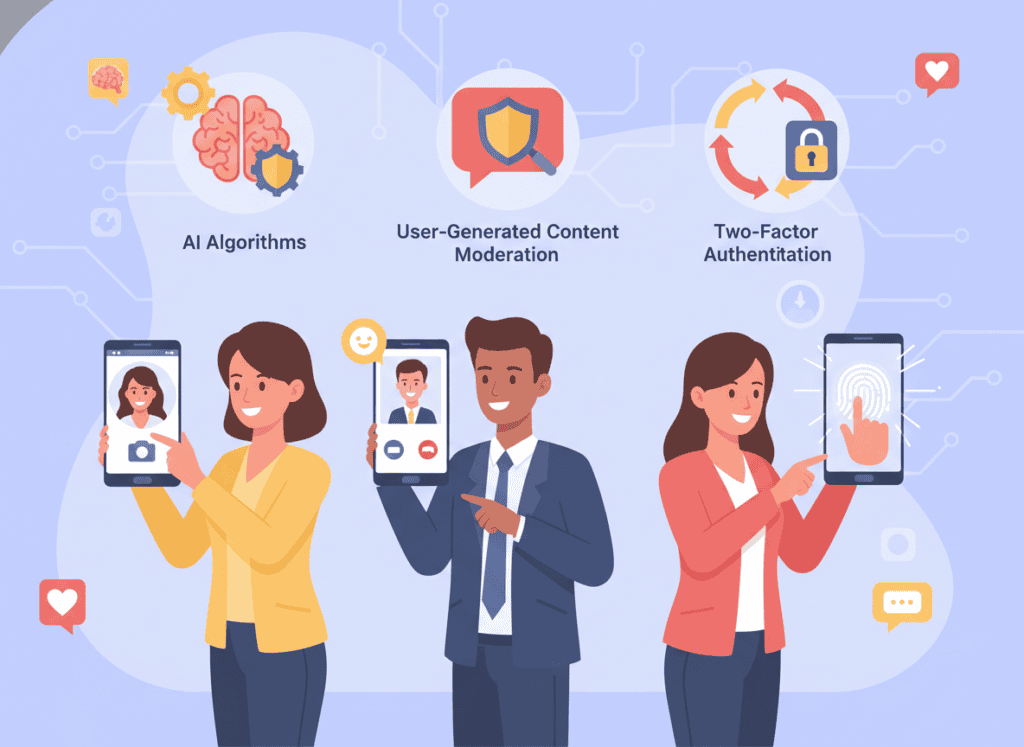
Photo and Selfie Verification
Photo confirmation represents one of the most widespread authentication techniques. Users submit a real-time selfie that the system compares to their profile images. This process ensures the person behind the account matches the posted photos.
Some services enhance this method by requesting specific poses or gestures. A platform might display a random pose that the member must replicate. This approach prevents the use of pre-existing or stolen photographs.
Human moderators often review these submissions alongside profile pictures. They provide an additional layer of scrutiny beyond automated analysis. This combination of technology and human oversight strengthens the verification process.
Video Liveness Checks
Video authentication offers a more advanced approach to identity confirmation. These systems require real-time interaction to prove a live person is present. Users might be asked to turn their head, blink, or perform other simple actions.
Liveness detection technology helps prevent sophisticated fraud attempts. It can identify deepfakes, masks, or pre-recorded videos. Machine learning algorithms analyze facial features and movement patterns for consistency.
While effective at confirming identity, these methods have limitations. They verify that a real person matches their photos but don’t confirm other profile details. The balance between security and user experience remains a key consideration.
How Do Dating Apps Verify Profiles?
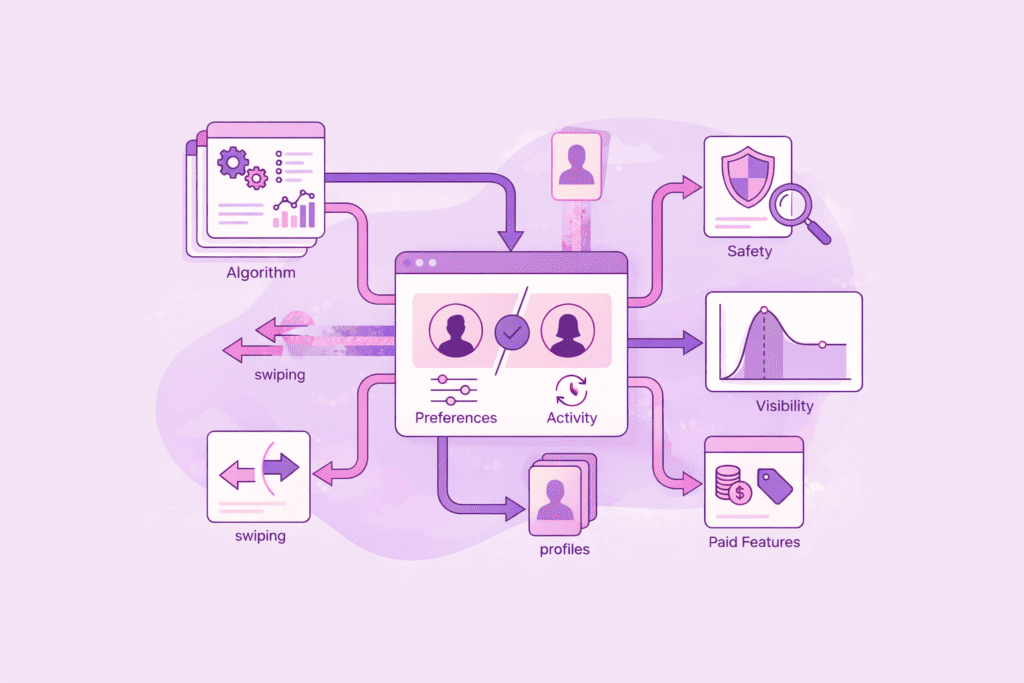
Beyond photo and video checks, modern platforms employ sophisticated monitoring systems that analyze user behavior patterns. These automated tools work continuously in the background to identify potential risks. The approach represents a multi-layered security strategy.
Behavioral Signals and Automated Fraud Detection
Services monitor how individuals interact within their digital environments. Systems track messaging frequency, profile creation speed, and attempts to move conversations elsewhere. Unusual patterns trigger additional scrutiny.
Machine learning algorithms compare behavior against known scammer tactics. Location verification technology matches stated locations with actual device positions. This process helps identify misrepresented information.
Optional ID Verification Explained
Some platforms offer voluntary identity confirmation using government documents. Users can submit passports, driver’s licenses, or national ID cards. The verification process compares photo IDs with profile pictures and information.
Third-party services specialize in document authentication using advanced technology. They check IDs against various databases for legitimacy. This optional layer provides stronger identity assurance for willing participants.
Verified and unverified accounts often coexist on the same platform. This mixed environment affects overall community security. Users should understand what different confirmation levels actually mean.
Examples from Major Dating Apps
Major platforms demonstrate significant variation in their approach to user authentication. These differences reflect distinct philosophies about security, privacy, and user experience.
How Tinder Implements Verification
Tinder employs a two-step authentication process. Users can submit government identification documents alongside a video selfie. The system compares the live capture with both profile photos and ID images.
This method aims to confirm that individuals match their presented identities. The verification remains optional rather than mandatory across the platform.
Insights on Bumble and Hinge Verification Practices
Bumble utilizes a pose-matching technique for its confirmation process. Members replicate randomly generated poses shown on their screens. Human moderators then review these submissions against profile pictures.
Hinge takes a different approach by explicitly stating they don’t conduct background checks. The service relies primarily on email and phone number validation during registration.
Most platforms begin with basic authentication requiring valid contact information. However, services exist that provide disposable numbers for minimal costs. This creates mixed trust levels within the same digital environment.
The voluntary nature of these systems means many profiles remain unconfirmed. Authentication confirms identity but not character or relationship status.
Understanding Verified Badges and Their Limitations
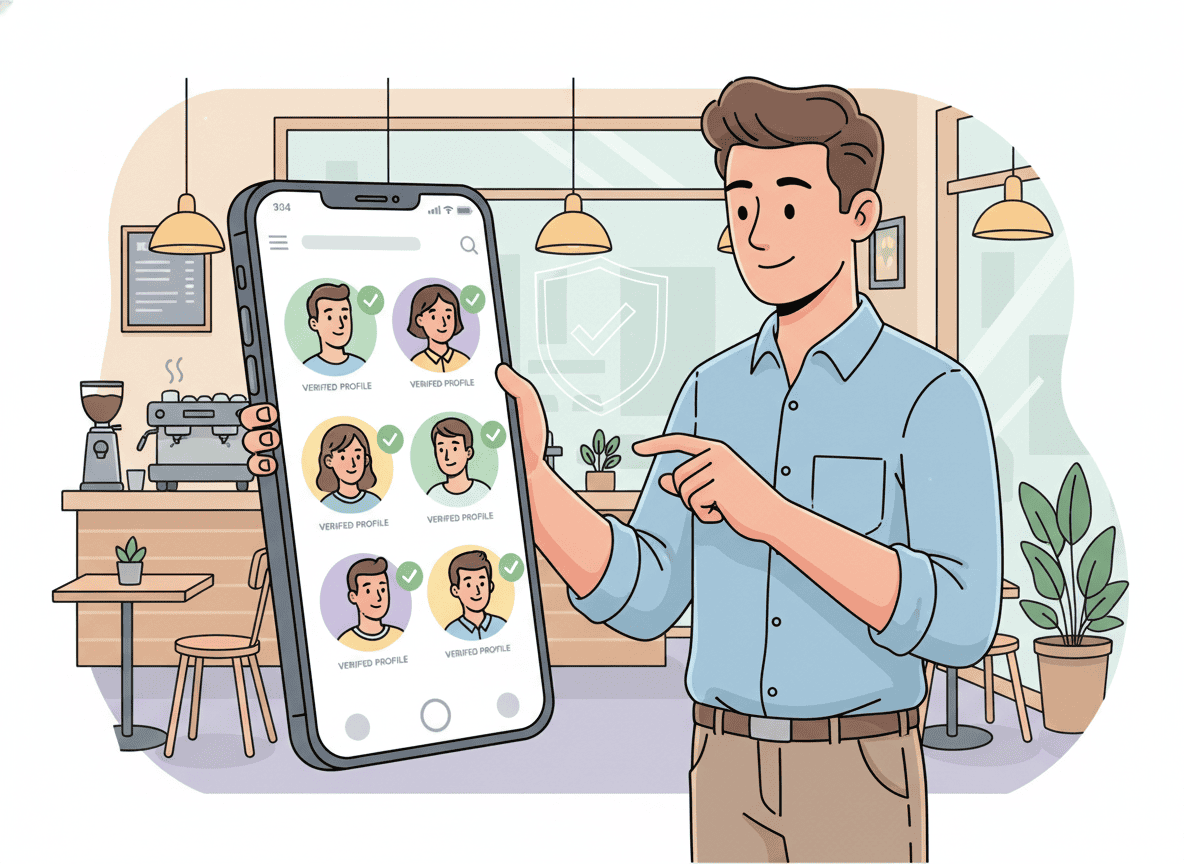
The blue checkmark on a profile represents a significant achievement in user authentication. This symbol indicates the platform has confirmed basic identity information. It serves as a visual cue that the account belongs to a real individual.
What a Verified Badge Indicates
Verification confirms that profile photos match the actual person behind the account. The process establishes that the user has completed the platform’s identity checks. This provides reasonable assurance against completely fabricated information.
Members can feel more confident they’re interacting with genuine individuals. The badge helps reduce concerns about fake accounts or impersonators. It creates a foundation of trust within the digital environment.
Limitations and Misconceptions Around Verification
However, verification badges have important limitations that users should understand. They do not guarantee someone’s character, intentions, or background.
Key aspects that verification does not confirm include:
- Relationship status or availability
- Honesty about personal details
- Emotional availability or intentions
- Criminal history or background
- Future respectful behavior
A verified person might still misrepresent their job, interests, or relationship goals. Some individuals complete verification to appear more trustworthy before attempting questionable actions.
Since verification is optional on most platforms, absence of a badge doesn’t automatically indicate a fake profile. Many legitimate users choose not to complete the process. Verification should be one factor among many when assessing profile trustworthiness.
Assessing Profile Trustworthiness Independently
While dating services offer verification systems, individuals can also take proactive steps to evaluate profile trustworthiness. Personal assessment provides an additional layer of protection beyond platform safeguards. This approach helps people make more informed decisions about their connections.
Identifying Red Flags in Profile Information
Several warning signs can indicate potentially problematic profiles. Incomplete personal details or professional-looking images may signal fake accounts. Scammers often use stock photos that appear elsewhere online.
Consistency checks reveal important information about profile authenticity. Compare details between the profile description and conversation content. Watch for location mismatches or refusal to meet in person.
Romance scams typically involve rapid emotional escalation. Be cautious of declarations of strong feelings within days. Pressure to move conversations off the platform quickly is another red flag.
Tips for Conducting Your Own Verification Checks
Simple, ethical verification methods can help confirm someone’s identity. Reverse image search tools check whether profile photos appear on other websites. This reveals if images are stolen or stock photos.
Requesting a brief video call provides strong confirmation of identity. Consistent excuses for avoiding video chats warrant caution. Asking for additional casual photos can also verify the person matches their images.
Search social media platforms using the person’s name and location. Look for profiles that corroborate their dating profile information. Be mindful not to invade privacy while conducting these checks.
Financial requests always signal danger. Never send money or share financial information regardless of how trustworthy someone seems. Protecting personal data is essential for online safety.
Taking time to verify independently represents practical self-protection. These steps help create safer experiences in digital social environments. Trust should develop gradually through consistent, verifiable interactions.
Differences Between Basic and Rigorous Verification Processes
The spectrum of authentication methods ranges from simple contact validation to comprehensive identity checks. Platforms balance security needs with user experience when implementing these systems.
Overview of Basic Verification Steps
Basic confirmation typically requires only an email address and phone number. This initial step connects accounts to real communication channels. However, these can be easily bypassed using disposable services.
Simple checks provide minimal protection against determined fraudsters. They serve primarily to ensure some form of contact information exists. This approach offers quick onboarding but limited security.
Advanced Vetting Methods and Their Benefits
Rigorous systems involve multiple validation layers. Government-issued document scanning examines security features and expiration dates. Facial recognition technology compares ID photos with profile images and real-time selfies.
Advanced solutions incorporate liveness detection during the selfie step. This prevents the use of pre-recorded videos or photos. These comprehensive approaches significantly reduce fake accounts and romance scams.
Platforms must balance verification rigor with privacy concerns and implementation costs. The most effective systems combine multiple confirmation techniques for optimal security.
Conclusion
Establishing genuine connections in digital spaces requires multiple layers of protection. Profile verification serves as one important component in creating safer online environments.
These authentication methods range from basic contact checks to comprehensive identity confirmation. While verification badges indicate completed identity checks, they don’t guarantee character or intentions.
Users should view verification as a helpful starting point rather than a complete safety solution. Personal vigilance remains essential, including independent checks and watching for red flags.
As technology evolves to combat sophisticated fraud, human judgment and gradual trust-building stay crucial. Combining platform features with personal caution creates the most effective protection strategy.